
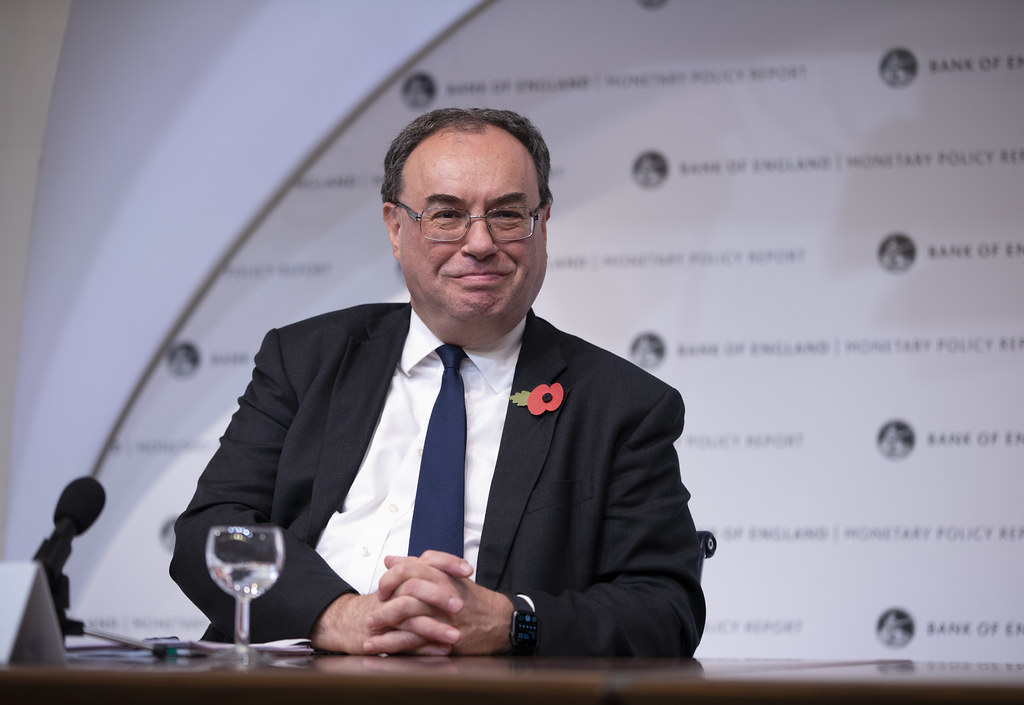
The British currency experienced its steepest decline in weeks following Governor Andrew Bailey’s signal that the Bank of England is prepared to implement more aggressive interest rate cuts if the UK’s employment situation deteriorates more rapidly than expected. Currency markets reacted immediately to these dovish comments, pushing the pound down to $1.3467 against the dollar before a modest recovery helped limit the losses.
Bailey’s analysis of current economic conditions revealed growing slack in the UK economy, with increased employer taxation identified as a significant contributing factor to the observed weakness. While the Bank has historically favored gradual policy adjustments, the Governor’s firm belief in the downward trajectory of interest rates from their current 4.25% level has clearly influenced market sentiment, especially given the four quarter-point reductions already implemented.
The economic backdrop has provided compelling justification for the Bank’s increasingly supportive monetary policy stance, with official statistics showing unexpected GDP contractions in both April and May. These disappointing figures have heightened concerns about the UK’s economic outlook, while professional analysis indicating the most rapid decline in business recruitment activity in nearly two years has added to worries about labor market conditions.
Investor expectations have undergone a notable transformation, with money markets now pricing in an 85% chance of a rate cut in August, marking a substantial increase from the 76% probability assigned just one week earlier. This shift reflects growing recognition that the Bank of England may need to provide more substantial policy support to address the economic challenges while managing inflation that continues to exceed the central bank’s 2% target.