
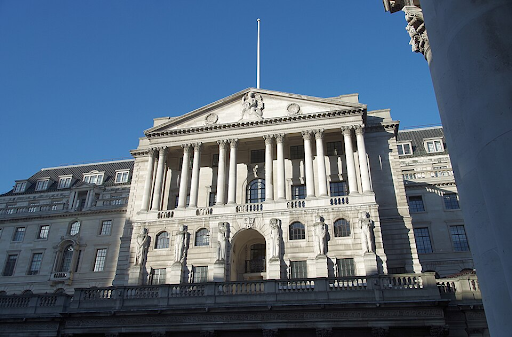
The Bank of England’s rate cut to 3.75% happens in a global context, but the UK is playing by different rules. While the US Federal Reserve and the European Central Bank (ECB) are also loosening policy, the UK faces a unique “stagflation” threat—high inflation and low growth combined—that limits its options. This explains the hesitancy and the split vote compared to the more decisive moves elsewhere.
The UK’s specific mix of Brexit trade barriers, a shrunken workforce, and energy reliance makes its inflation “stickier” than in the US or Eurozone. The IMF’s prediction of the UK having the “highest inflation in the G7” is the statistical proof of this difference.
This means the Bank of England cannot simply copy the Fed. If the US cuts rates to 3%, the UK might have to stay at 3.5% or 4% to keep the pound stable and fight inflation. This “premium” on UK rates hurts British businesses competing globally.
The 5-4 vote reflects this bind. The dissenters are effectively saying, “We are not the US; we still have an inflation problem.” The majority is saying, “We are not the US; we are weaker and need help.”
As 2026 unfolds, this divergence will matter. If the UK lags behind the global cutting cycle, the pound could strengthen (hurting exports) or weaken (importing inflation) depending on investor sentiment. The Bank is navigating a solitary course through a global storm.