
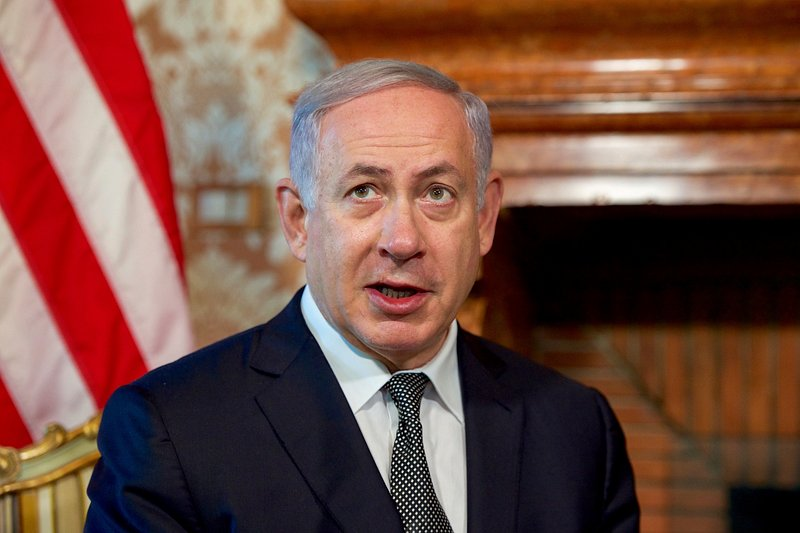
Israel is executing a major strategic pivot on its northern border, shifting its primary posture from deterrence to diplomatic engagement. Prime Minister Benjamin Netanyahu announced this on Sunday, explaining that the successful deterrence and degradation of Hezbollah in the recent war has now created the space for active diplomacy with Syria and Lebanon.
For decades, the strategy with Assad’s Syria was deterrence. The fall of that regime, combined with the successful military campaign against its proxy, has allowed for a pivot to direct engagement. The new Syrian government is now at the negotiating table, with one of its officials hoping for a security deal by year’s end.
In Lebanon, the pivot involves moving from simply deterring Hezbollah to actively supporting the Lebanese state in supplanting it. Continued military pressure on the militia is designed to give the Lebanese government the leverage and confidence it needs to disarm the group, a process it has now officially started.
Netanyahu explained the logic behind this pivot. “Our victories in Lebanon against Hezbollah have opened a window for… peace,” he told his cabinet, framing the war as a successful conclusion to the deterrence phase. He confirmed that the new engagement phase is showing “some progress” with Syria.
This strategic shift is visible on the ground. The talks with Syria about a demilitarized zone are a form of engagement, not just deterrence. Lebanon’s plan to disarm Hezbollah is the ultimate goal of this new diplomatic approach. The northern pivot is in full swing.