
The contemporary social media environment enables nationalist sentiment to be mobilized and amplified at speeds and scales that fundamentally change crisis dynamics compared to historical precedents like the 2012 territorial dispute. While that earlier crisis featured organized protests and boycott movements, the current environment allows instantaneous circulation of government statements, nationalist rhetoric, and calls for economic action that can rapidly create comprehensive informal pressure complementing official travel advisories and restrictions.
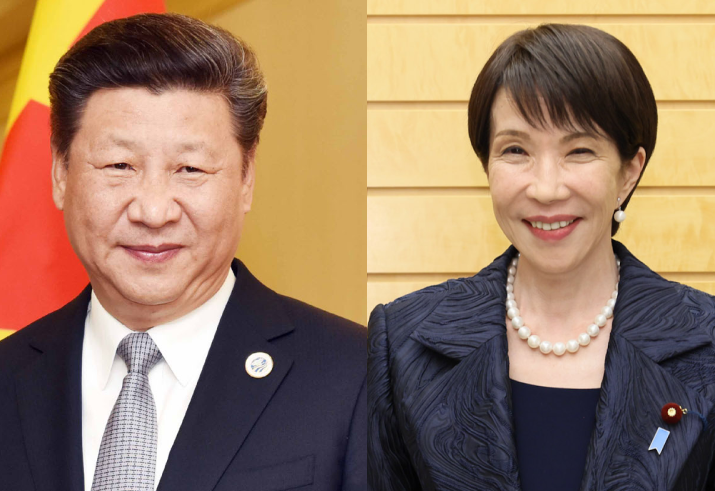
Prime Minister Sanae Takaichi’s statements about Taiwan circulated immediately and widely through social media platforms in both countries, creating public awareness and expectations that constrain subsequent diplomatic flexibility. Chinese citizens can instantly share and discuss travel advisories, creating social pressure on individuals who might otherwise plan Japan travel even in the absence of explicit prohibitions. Entertainment and cultural content decisions get scrutinized through social media lens where perceived insufficient nationalism can trigger backlash.
The speed of social media amplification creates challenges for diplomatic crisis management that depends on careful signaling and gradual de-escalation. Statements made in one context can be extracted, reinterpreted, and amplified in ways that make calibrated diplomatic communication difficult. Takaichi’s explanation that she was responding to hypothetical questions matters little once her statements have been widely circulated and interpreted through nationalist frameworks that emphasize perceived Japanese challenges to Chinese sovereignty claims.
Social media also creates new actors in bilateral disputes beyond traditional government and media institutions. Individual Chinese citizens deciding whether to travel to Japan, Chinese companies choosing whether to proceed with Japanese cultural content distribution, and countless others make decentralized decisions influenced by social media discussions and sentiment. This diffuse decision-making means that even if governments wanted to moderate economic pressure, social media-driven popular sentiment might perpetuate informal boycotts and restrictions beyond official policy.
The result is faster escalation and slower de-escalation compared to historical patterns. Economic consequences materialize rapidly as travel advisories are instantly disseminated and amplified through social media, with over 8 million Chinese visitors in the first ten months of this year representing 23% of all arrivals to Japan creating vulnerability when flows can be disrupted through combination of official warnings and social media-driven informal pressure. Recovery may prove slower because social media sustains negative perceptions and nationalist sentiment even after official positions moderate. Professor Liu Jiangyong indicates countermeasures will be rolled out gradually while Sheila A. Smith notes domestic political constraints make compromise difficult, but both observations may understate how social media amplification accelerates initial crisis dynamics while creating enduring obstacles to normalization by perpetuating nationalist mobilization that constrains both official diplomatic flexibility and private sector willingness to resume normal economic interactions even after formal diplomatic progress might occur, fundamentally altering the temporal dynamics of crisis evolution and resolution.