
The grand scale of Roman ambition is typically experienced through the bustling crowds of the Colosseum or the Forum. However, a profoundly different and deeply moving encounter with antiquity awaits at the city of Urbs Salvia, where the vast ruins stand in a silence that speaks volumes.
Located away from the established tourist routes, the ancient Roman city of Urbs Salvia offers an almost eerie sense of solitude. The site features a remarkably well-preserved Roman theatre and a massive amphitheatre. Crucially, these structures are almost completely devoid of visitors, allowing for a contemplative experience of ancient life.
Walking through the tiers of the amphitheatre or standing on the stage of the theatre, one can feel a direct, unmediated connection to the past. The silence only amplifies the imagination, allowing the traveler to better picture the roar of the crowds and the performances that once took place here, a truly immersive historical journey.
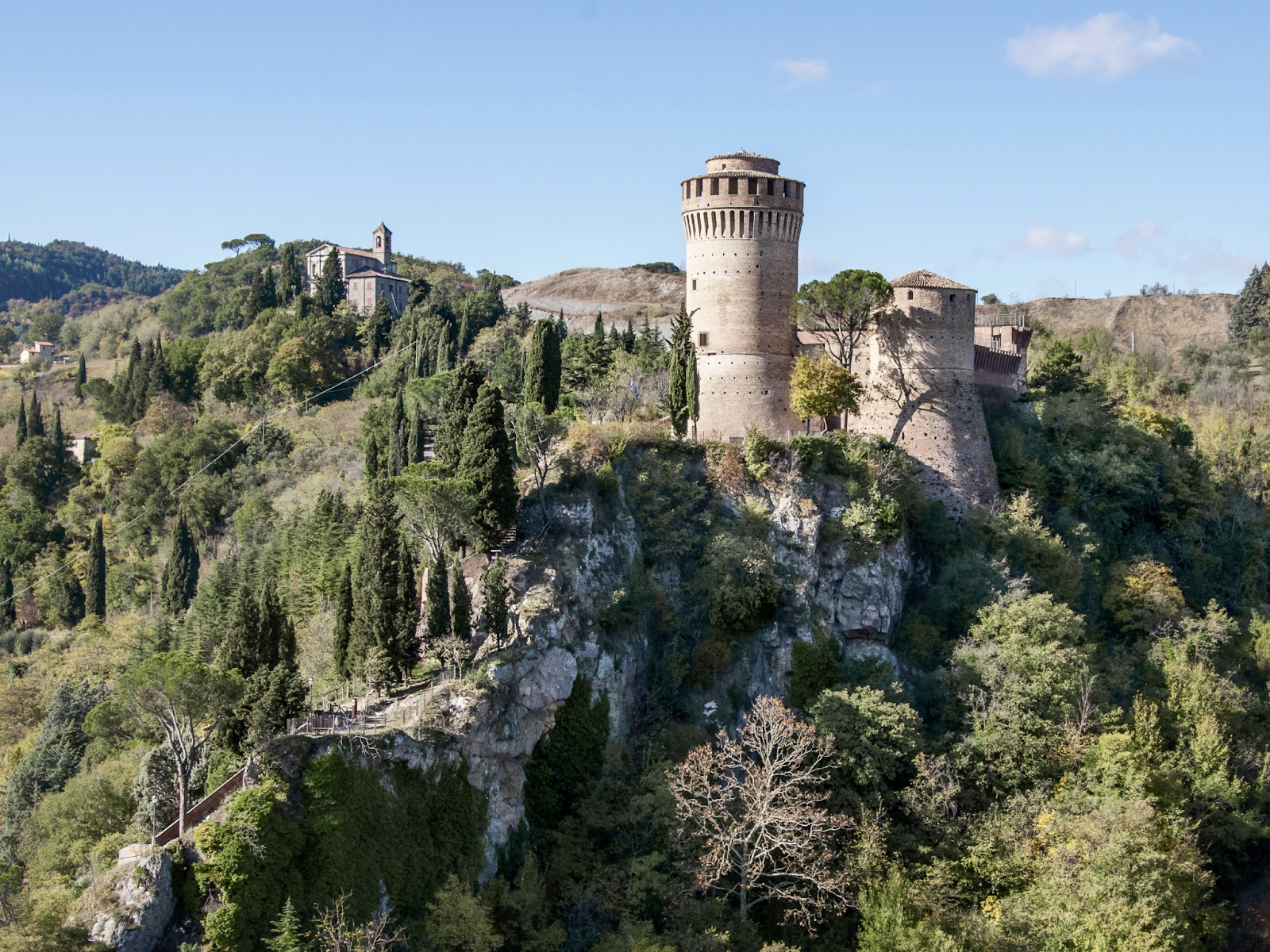
This experience of peaceful, untouched history finds parallels in the slow-travel hubs across Italy. For example, in the hills of Emilia-Romagna, the medieval town of Brisighella offers a quiet, Renaissance-like setting with its jagged rocky outcrops and lone towers, an ideal base for unhurried exploration of the surrounding landscape.
In the deep south, the Via dei Frati in Sicily offers a natural solitude, a 54-mile trail through the Madonie mountains where hikers can go for days without seeing another tourist. These remote sites collectively form the fabric of an Italy that is deeper, more introspective, and intensely personal for those who seek to look beyond the guidebooks.