
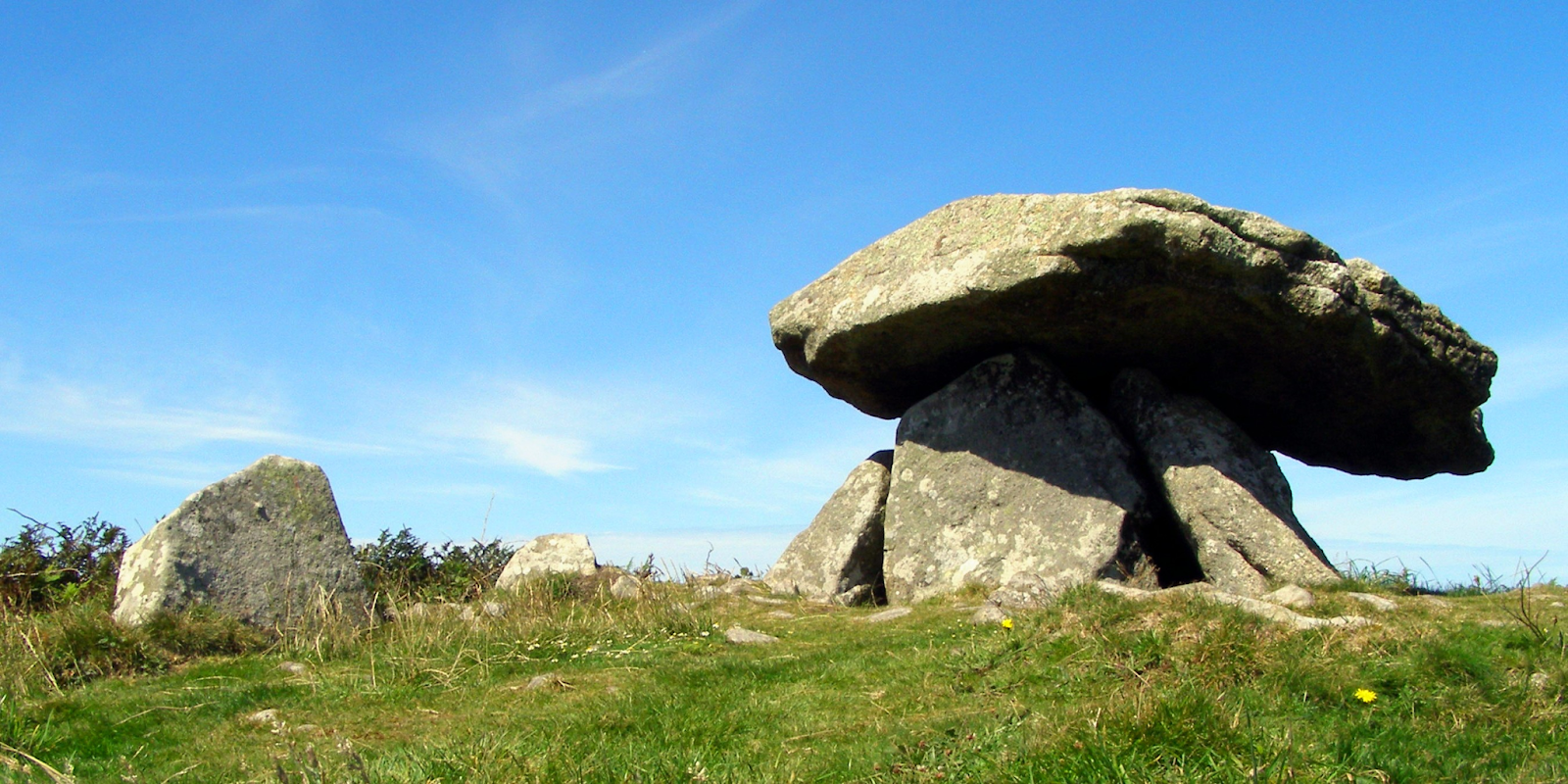
Cornwall’s moorlands possess qualities that transcend ordinary landscapes. The concentration of prehistoric monuments creates spatial experiences where temporal boundaries seem permeable—where four thousand years separating past from present collapse through shared engagement with enduring granite structures and astronomical patterns they commemorate.
Standing within Tregeseal circle as winter twilight descends creates temporal disorientation. The granite stones glow luminously against darkening moorland exactly as they did when Neolithic communities gathered for solstice observations. The view toward the Isles of Scilly on the southwestern horizon remains unchanged. The sun sets at the same position along the horizon where it descended four millennia ago.
This temporal collapse intensifies through direct observation of astronomical alignments. Witnessing winter solstice sunset from Chûn Quoit—seeing the sun descend precisely behind Carn Kenidjack—creates immediate connection with prehistoric observers who designed this alignment. The shared perceptual experience transcends historical distance, creating moments when time indeed seems to stand still.
The monuments’ physical persistence contributes to these experiences. Granite weathers slowly, preserving original forms across centuries. The stones that contemporary observers encounter are essentially identical to those Neolithic builders positioned. This material continuity differs from monuments constructed with less durable materials that required ongoing maintenance or reconstruction.
Moorland settings enhance temporal experiences through their relative isolation from modern development. The landscape surrounding monuments retains character that, while not identical to prehistoric conditions, remains recognizably similar. The absence of urban infrastructure allows imagination to engage more fully with how ancient communities might have experienced these spaces.
Contemporary practices maintain these sacred dimensions through respectful engagement. Archaeological research proceeds carefully to avoid damaging sites. Visitors approach monuments with appreciation for their historical significance and fragility. The Montol festival, though lively and occasionally raucous, incorporates respect for heritage alongside celebration.
This combination of enduring monuments, functional astronomical alignments, appropriate settings, and respectful contemporary engagement creates Cornwall’s sacred moorlands where time stands in stone. These spaces offer opportunities for experiencing temporal depths rarely accessible in modern life—moments when past and present merge through shared witness of eternal patterns inscribed in granite and sky.