
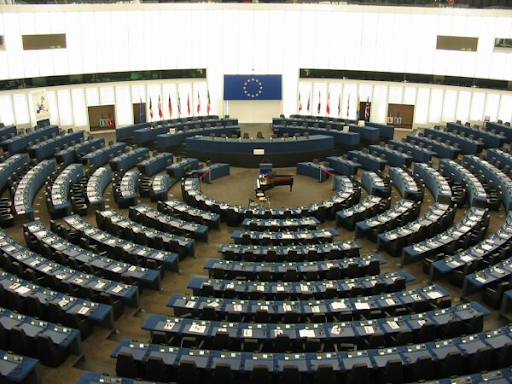
The European Parliament has officially suspended the US trade deal ratification, directly responding to President Trump’s threat of 10% tariffs unless Europe backs his Greenland acquisition plans. This decision represents the most substantial material response Brussels has delivered against what multiple European leaders characterized as blackmail.
Trade committee head Bernd Lange made the EU’s position unambiguous, declaring that compromise remains impossible while threats concerning Greenland persist. The suspended agreement had promised American exporters unprecedented access to European markets with zero tariffs on numerous industrial goods.
Despite the trade deal suspension, the EU’s commitment to purchase $750 billion in American energy remains fully operational. Lange confirmed this energy arrangement exists independently from the tariff negotiations, demonstrating Brussels’ selective approach to the crisis.
The deteriorating diplomatic atmosphere became evident when Ursula von der Leyen, president of the European Commission, revised her travel plans, returning to Brussels to prepare for an emergency summit rather than meeting Trump in Davos.
The February 2nd timeline for Trump’s threatened tariff implementation significantly constrains European response options and decision-making. Lange acknowledged that “a lot could happen” in the intervening days, noting that “there are always day-by-day surprises coming from the White House.” This compressed timeframe adds urgency to the Thursday summit, where leaders will examine €93 billion in counter-tariffs and an anti-coercion mechanism that could restrict US businesses from European markets. The unpredictable nature of White House policy adds further complexity to Brussels’ strategic planning.