
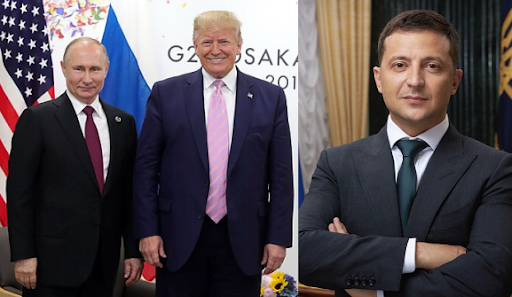
The international diplomatic community watches closely as Russia, Ukraine, and the United States prepare for crucial peace negotiations in Abu Dhabi on February 4-5. This trilateral initiative marks a critical diplomatic moment in efforts to resolve the conflict.
In announcing the meeting dates, Zelensky emphasized Ukraine’s preparedness for serious engagement aimed at producing concrete results. His statement stressed the importance of substantive discussions that could genuinely advance ending the war with dignity, reflecting Ukraine’s determination to pursue peace without compromising principles.
The upcoming talks build on recent diplomatic developments, including a temporary truce initiated through President Trump’s engagement with Russian leadership. Trump’s direct communication with Putin resulted in an agreement to pause military operations, with Russia specifically requesting this cessation continue until February 1 to create favorable conditions. The timing is critical as Ukraine faces brutal winter weather with temperatures forecast to reach -20 degrees Celsius.
A key demonstration of both parties’ commitment to diplomacy has been their compliance with the ceasefire on energy infrastructure. Zelensky confirmed that throughout Ukraine, no attacks on energy facilities occurred during the designated period, marking significant improvement in civilian conditions. Ukraine has committed to maintaining restraint provided Russia continues adherence, demonstrating mutual interest in preserving conditions for dialogue.
However, significant obstacles remain, particularly regarding territorial disputes. Russia’s insistence on controlling the Donbas region—comprising Donetsk and Luhansk—directly conflicts with Ukraine’s unwavering refusal to surrender sovereign territory. Currently, Russia occupies Crimea, annexed in 2014, and maintains partial control over four Ukrainian regions following its 2022 invasion, making territorial resolution the defining issue determining this critical diplomatic moment’s success.