
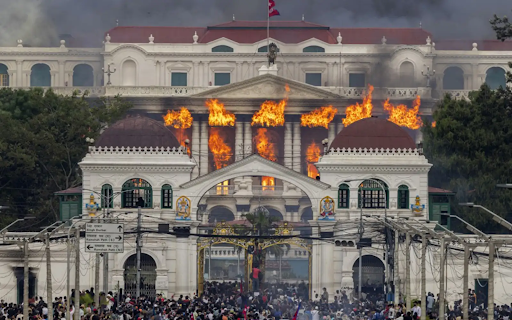
The events in Nepal provide a perfect case study in political combustion, demonstrating how a seemingly small spark can ignite a massive powder keg of pre-existing social and economic grievances. The social media ban was the spark, but the explosive material had been accumulating for years.
The powder keg was composed of several key ingredients. The first was economic hardship, particularly a 20% youth unemployment rate that created a large and frustrated demographic. The second was a deep and pervasive anger over government corruption and nepotism, which fostered a sense of systemic injustice. The third was the visible and flaunted inequality between the political elite and the general population.
These ingredients created a highly volatile political atmosphere. All that was needed was a catalyst. The government provided this with its decision to ban social media—an act that was both authoritarian and directly targeted the younger generation that was already the most discontented. It was the perfect spark to ignite the prepared fuel.
The resulting explosion, with its deadly violence and political fallout, shows how quickly a government can lose control when it ignores the underlying frustrations of its people. The lesson from Nepal is a universal one for leaders everywhere: it is not the spark that causes the fire, but the powder keg that has been allowed to accumulate.