
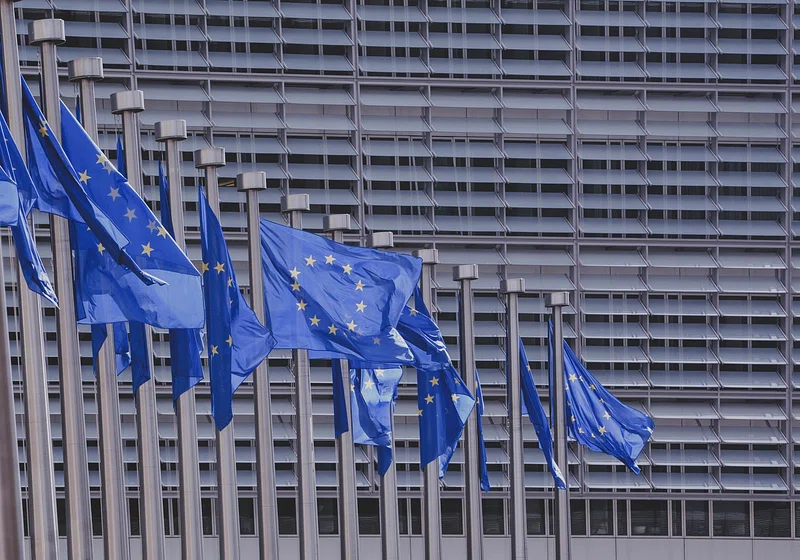
The escalating dispute between the European Union and Israel is being closely watched by nations across the Global South, who see it as a critical test of Western consistency on issues of international law, human rights, and military conflict. The outcome could have a significant impact on the EU’s credibility and moral standing in the eyes of the world.
For years, many countries in Africa, Asia, and Latin America have accused the West of applying a double standard, vigorously condemning human rights abuses and invasions in some parts of the world while remaining largely silent or supportive of the actions of its allies, including Israel.
The EU’s proposal to sanction Israel is a potential departure from this perceived pattern. If the EU follows through, it could be seen as a sign that it is willing to apply its stated principles of human rights and international law more universally, even when it involves a close Western-aligned partner. This could enhance the EU’s soft power and diplomatic influence in the Global South.
Conversely, if the proposal is blocked or significantly weakened due to internal divisions, it would likely reinforce the narrative of Western hypocrisy. It would be interpreted as another instance where geopolitical alliances and internal politics take precedence over the universal application of international law.
The debate in Brussels is therefore more than a bilateral issue between the EU and Israel. It is a moment of truth for the EU’s claim to be a normative power guided by universal values. The decision it makes will reverberate far beyond Europe and the Middle East, shaping perceptions of Western fairness and consistency for years to come.